Most of what turns up in a search about gutters is written for a national audience — or worse, for whichever ZIP code the template happened to fill in. Hampton deserves better. This blog exists to answer the questions Peninsula homeowners actually ask, using local pricing sources, the region's own storm history, and the specific trees, salt air, and flat wet lots that make gutter decisions here different from gutter decisions almost anywhere else in Virginia.
The starting lineup covers the four topics that come up most on calls from Hampton, Newport News, Poquoson, and York County. The cost guide lays out what gutter installation genuinely costs on the Peninsula — per-foot rates by material, whole-house ranges, and why the numbers on national directory sites run so far below what installers quote in the driveway. The gutter guard comparison weighs micro-mesh, screens, reverse-curve hoods, and foam inserts against the debris that actually falls here — starting with loblolly pine needles, the great equalizer of cheap guards. The hurricane-season prep checklist turns two decades of regional storm history, from Isabel in 2003 to the Matthew remnants of 2016, into a concrete pre-season routine. And the coastal materials guide explains what salt air does to metal, which materials shrug it off, and how exposure changes from a Salt Ponds bay-front lot to an inland street in Wythe.
Every figure cited in these guides traces to a named source — National Weather Service climate records, published local pricing surveys from HomeBlue and Homeyou, national cost data from Angi and HomeGuide, and Virginia installer pricing from RCS Gutters. Where a range is wide, the guides say so and explain why, because a homeowner comparing quotes is better served by an honest range than a false precision. The same standard applies to recommendations: where the right answer genuinely depends on the house — tree cover, distance to the Bay, housing era — the guides say "it depends" and then explain exactly what it depends on, rather than pretending one answer fits every street from Phoebus to Grafton.
More guides are planned as the seasons turn — the Peninsula's gutter calendar has a rhythm to it, from spring's live oak drop and pollen strings, through the June-to-November storm watch, to the late-fall cleanout under the willow oaks. Topics under consideration include storm-damage insurance questions and the 5-inch-versus-6-inch capacity decision that so many Hampton Roads rooflines eventually face.
Questions that go beyond what's written here are welcome by phone at (757) 801-2559, Mon–Fri 7AM–9PM — or start with the full FAQ and the services overview.
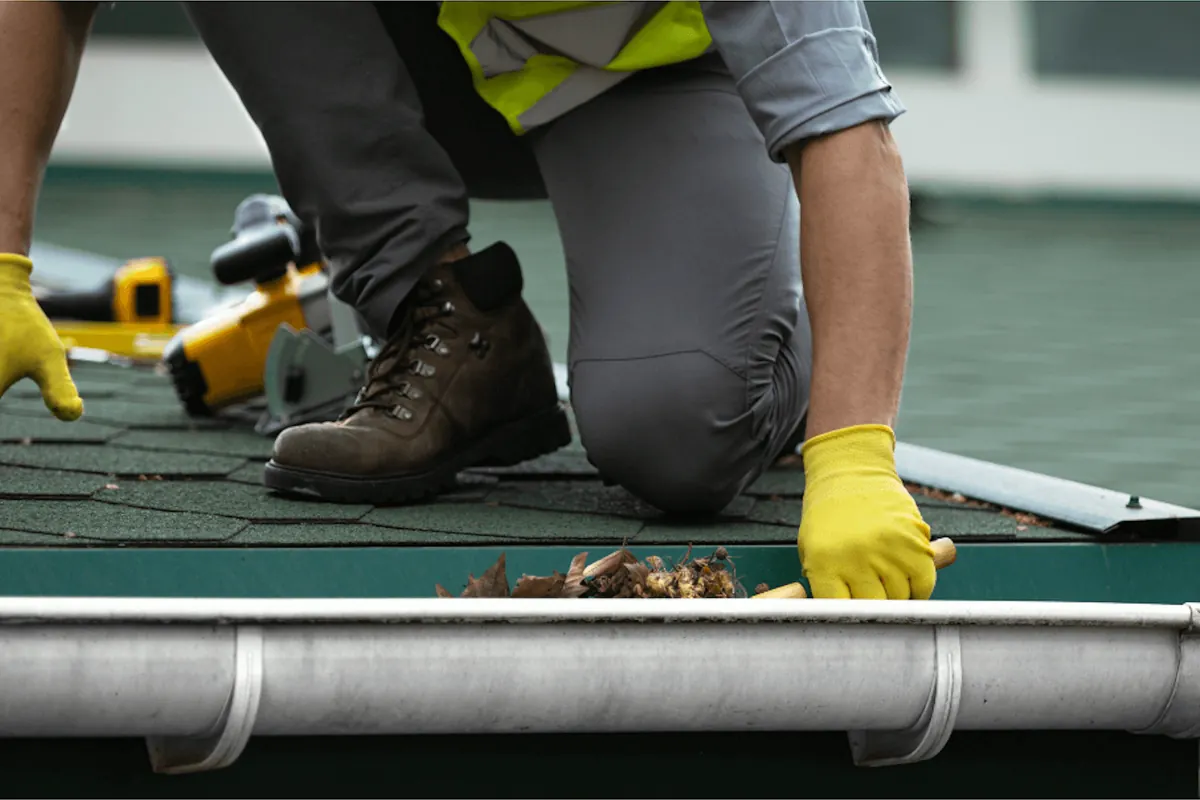
How Much Does Gutter Installation Cost in Hampton, VA?
Per-foot rates by material, whole-house ranges for Hampton and York County homes, the six drivers that move the number, and why directory estimates run thousands below installer reality.
Read the cost guide →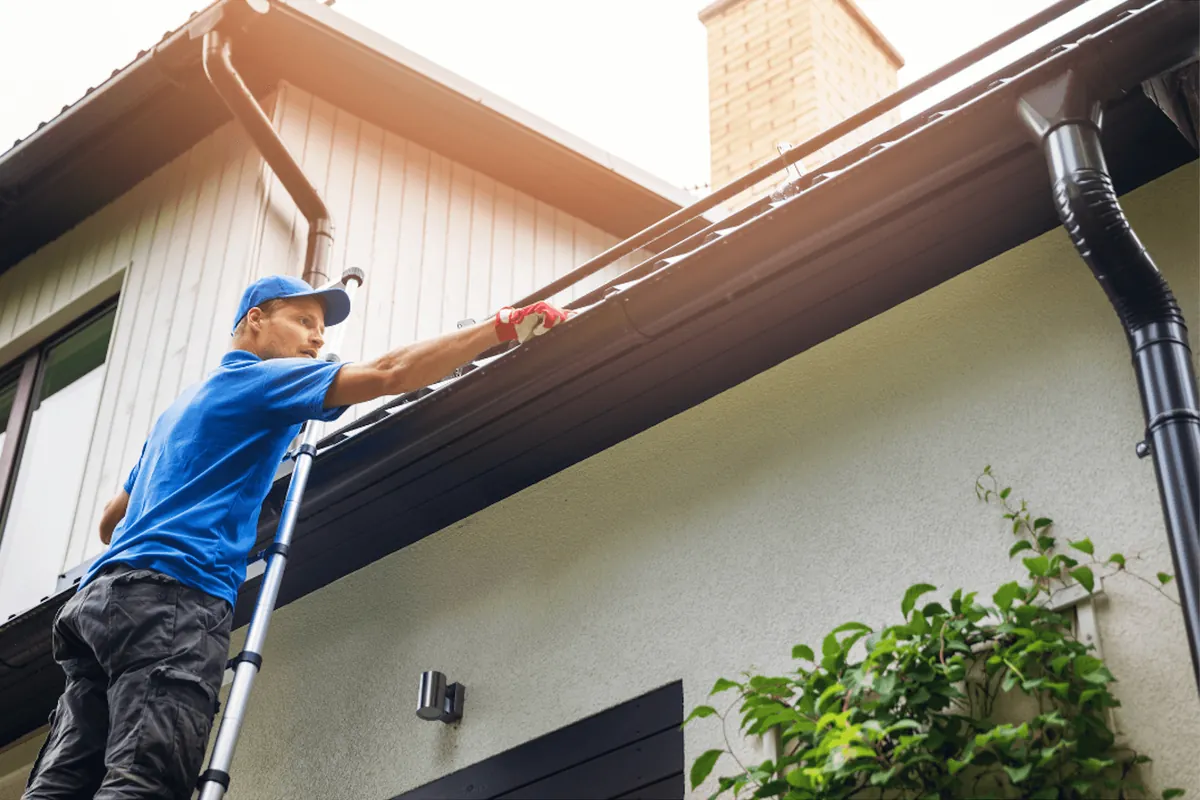
Are Gutter Guards Worth It in Hampton Roads?
Micro-mesh, screens, reverse-curve, surface-tension, and foam — compared against loblolly pine needles and priced against years of professional cleaning, with a verdict by tree exposure.
Read the comparison →
Getting Gutters Ready for Hurricane Season in Hampton Roads
A pre-season checklist built on the region's own storm history — fastening upgrades, downspout capacity, insurance documentation, and what to check after the wind dies down.
Read the prep checklist →
The Best Gutter Materials for Coastal Virginia Homes
What salt air actually does to aluminum, copper, galvanized steel, and vinyl — plus the fastener detail that fails first and how exposure changes by Hampton neighborhood.
Read the materials guide →